

Truth, Justice, Healing
Working together to create a just and truthful society that acknowledges and seeks to heal from the racial wounds of the past,
from slavery and the many forms of racism it spawned.
Get Involved
Participate in a Local Group
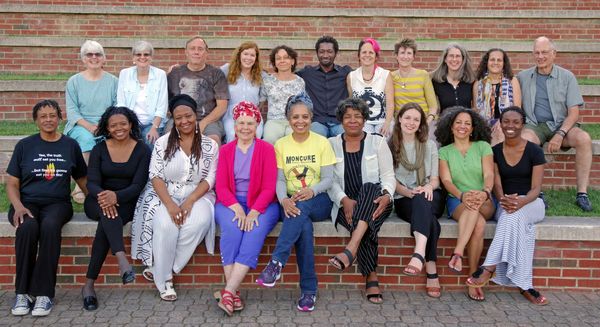
There are more than 3 dozen Coming to the Table Local Affiliate Groups in 16 states around the U.S. where participants meet regularly for truth-telling, building relationships, healing, and taking action to dismantle inequitable systems and structures based on “race.” For information on joining an existing group, or starting a new one, CLICK HERE.
How You Can Make A Difference
Become a Member
Join this dynamic and fast-growing community of like-minded people committed to making a difference!
Participate in a Local Group
There’s nothing more effective than working with others who are also committed to racial healing and transformation!
Support Our Work
CTTT’s ability to provide leadership, resources, and ongoing support depends on generous donations from many supporters like you!
Learn To Create Change
Coming to the Table has compiled a wealth of resources to support YOU and any group you belong to working toward racial healing.
Take Your Next Steps Toward Healing Today
Where Do I Start?
- Become a member and connect with our community of like-minded people committed to change in a supportive environment.
- Access and download many free resources to make a difference in your life and community.
- Join or start a Local CTTT Group in your city to continue to create change and healing.
- Get acquainted with people researching their ancestors’ involvement with slavery in the Linked Descendants Group.